

MARCIA AND BRISTOL DOG DAYS
A Career Change Led by Care
I didn’t start out in the dog world. I worked in Social Care for years but struggled with the constant tug of war between genuine care and profit driven decision making. Eventually I realised it wasn’t where my heart was. So I stepped into something that always had been dogs.

From Dog Walking to Truly Engaged Dogs
When I began dog walking, I noticed the same pattern again and again. Many dogs were physically exercised but mentally restless. They weren’t engaged with their owners and weren’t getting what they truly needed.
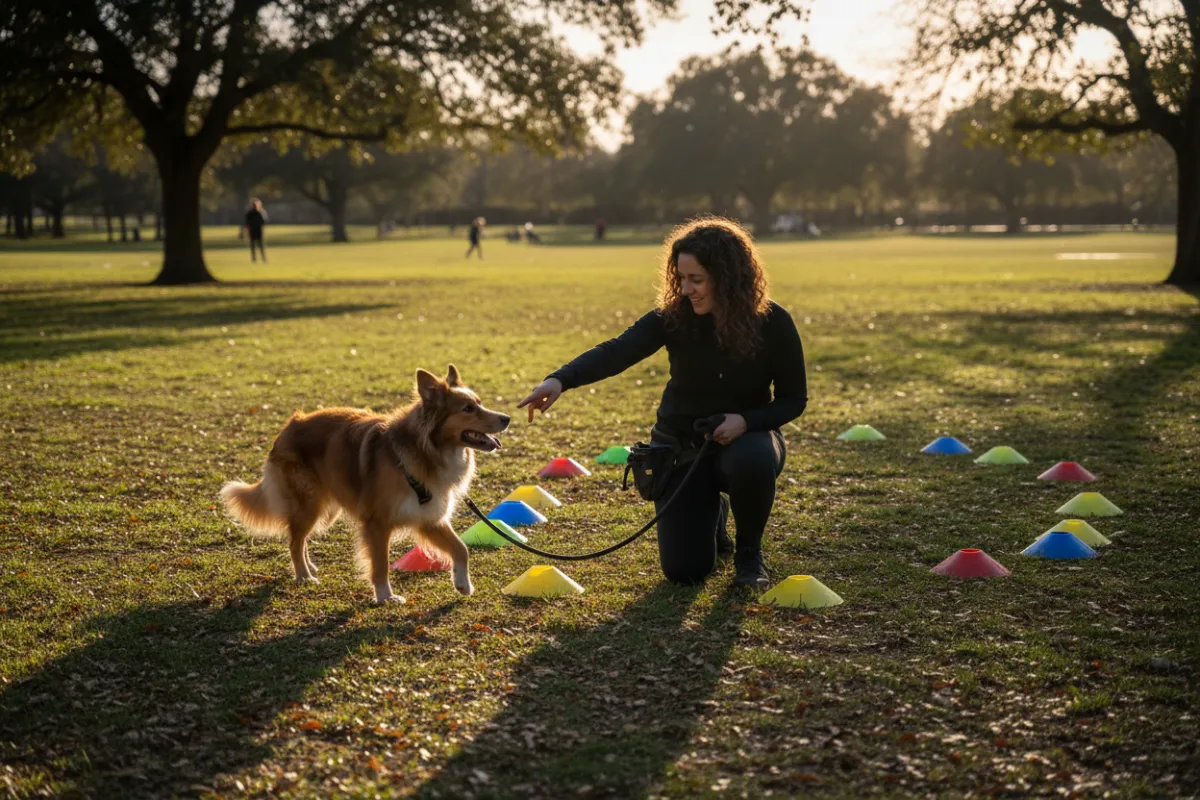
So I changed the way I worked. I took small groups on structured adventures packed with games like scent work, parkour, and sausage hunts. My motto was simple: engage the nose, tire the brain, and the well balanced dog follows.
Supporting Reactive and Anxious Dogs
Along the way I discovered something important. Dogs who struggled with reactivity and environmental triggers thrived with this approach. I know how isolating life with a reactive dog can be. I’ve lived it myself.
Through desensitisation, emotional support, and consistent training, I helped my own dog move from overwhelmed to confident. Watching that transformation is what inspired my focus today.
That’s why I now specialise in solo walks, reactive dog support, and calmer, structured environments where anxious dogs can feel safe enough to learn.
Qualified, Experienced, and Evidence Based
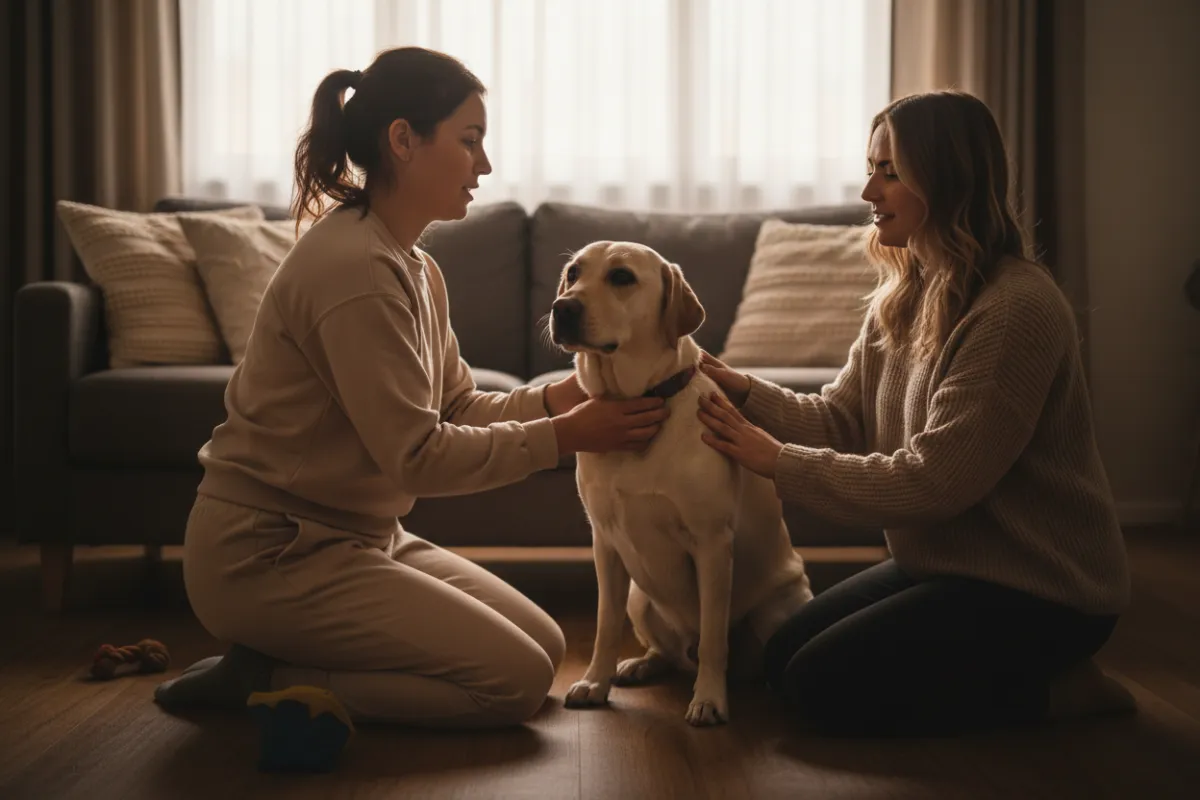
My curiosity for behaviour turned into formal study. I use the principles of behaviourism, classical conditioning, operant conditioning, habituation, and structured desensitisation in my work.
I train with the Dog Training College and hold a Diploma in Canine Behaviour and Body Language. My Psychology degree gives me a solid foundation in behavioural science. I’m also canine first aid trained and DBS checked, because safety comes first always.
My Mission for Dogs and Their Owners
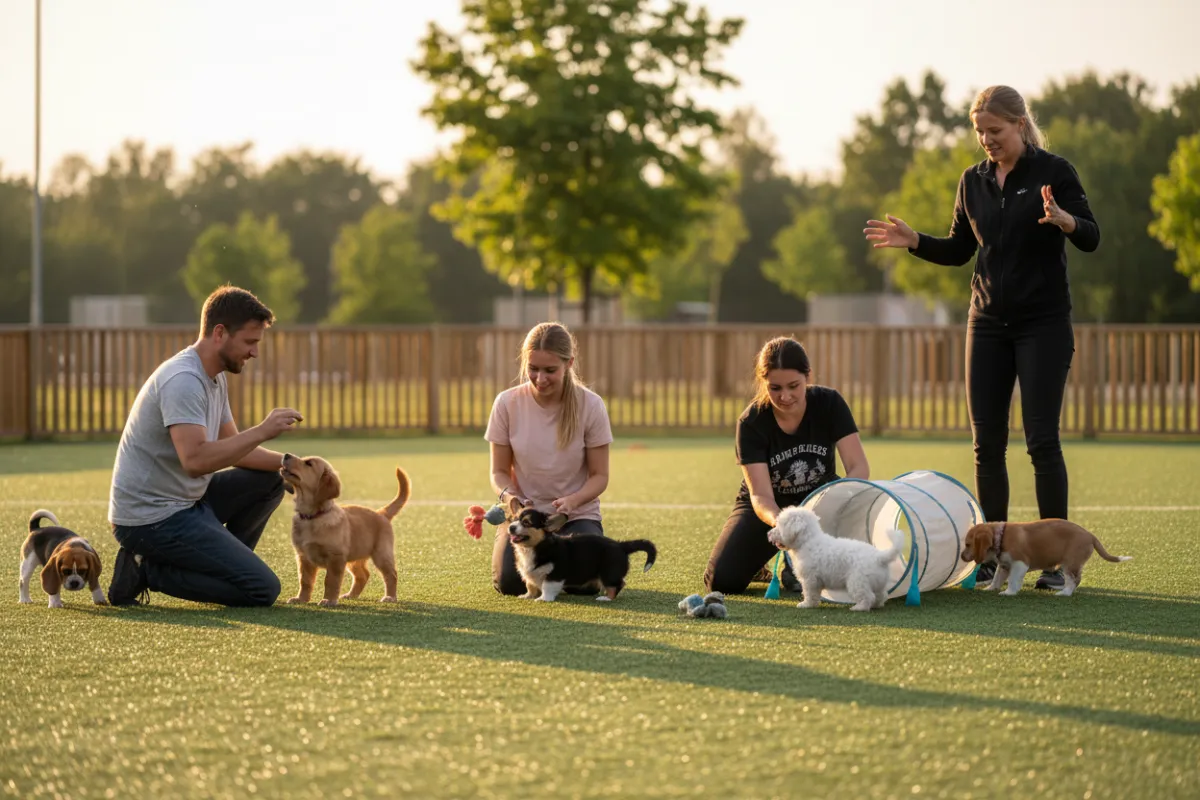
My aim is to support owners from puppyhood through adolescence and adulthood, with a particular passion for helping anxious and reactive dogs feel more relaxed in their world.
There is nothing better than being able to say my dog is no longer reactive and actually mean it.

Promoting Responsible Ownership
I’m also committed to spreading awareness of Dog Law. Many owners don’t realise their legal responsibilities, and understanding them makes life easier and safer for everyone, including the dog.
"I’m Marcia, founder of Bristol Dog Days.
If you’re ready to help your dog feel calmer, safer, and more understood, you’re in the right place."
Check out What Our Customers Say
BLOG HIGHLIGHTS
Read training tips, case studies and real-owner stories. Recent posts include seasonal safety advice and founder stories that explain our approach to kind, effective training.
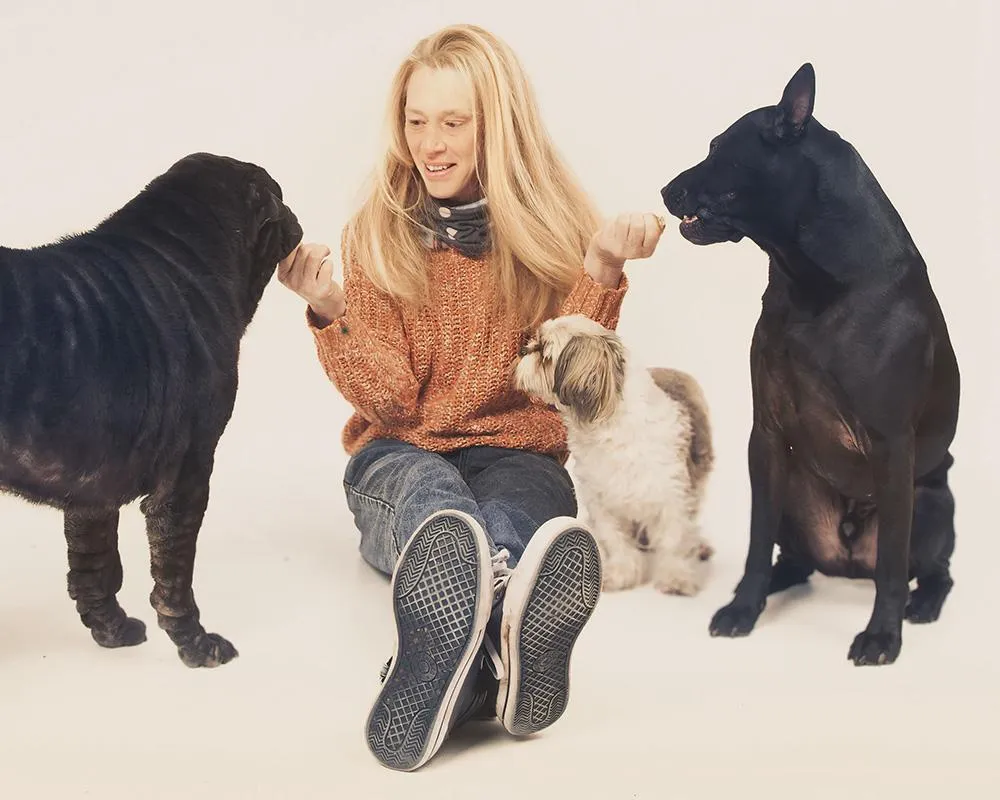
Keeping Your Dog Safe in a Heat Wave
Keeping Your Dog Safe in a Heat Wave
"No dog has died from missing one walk but many dogs have died from one walk in the heat"

It has been extremely hot, which is unusual for the UK, affecting our emotional and physical well-being with increased irritability an
d fatigue as our bodies try to maintain homeostasis. The same applies to dogs, who overheat faster because their body temperature is up to 2 degrees higher than ours.
Additionally, our bodies have numerous sweat glands for temperature regulation, but the most efficient ones in our dogs are found in their paw pads. Now, consider if those paws touch pavement exceeding 24 degrees. The effectiveness of these paw pads will diminish, further hindering their ability to sweat. As the temperature rises even more, the issue escalates to burned paw pads. Burns lead to scarring, which can render the sweat glands completely ineffective since the paws lack open pores for sweating.
How can we keep our dogs comfortable during hot weather?
Start by walking them early in the morning or late in the evening, staying in shaded areas. The less sun exposure, the more comfortable your dog will be. Consider a walk through the woods near a stream to allow your dog to cool their paws. Always carry water and a bowl, offering it frequently. If your dog is approaching heat stroke, they may resist drinking as their body tries to maintain balance, so keep them hydrated before it reaches that point!
Remember, some dogs are more sensitive to heat, so be cautious about taking them out. You might need to go even earlier in the morning or later at night.
Brachycephalic dogs - e.g., French bulldogs, pugs, old time bulldogs
Ill dogs (those with chronic conditions or currently facing gastrointestinal issues like vomiting or diarrhoea)
Elderly dogs
Overweight dogs
Large breeds
Black dogs
Keeping Cool at Home
At night, open your windows to let in cooler air. In the morning, close the windows and keep curtains drawn to block out the sun's heat, this will keep your home cooler than outside. Turn on fans as well; my dogs love lying in front of them to stay cool.
Cooling Products
There are many great products to help keep your pet cool. A cooling jacket can be worn under a harness. A cooling bandana can also help keep your dog's neck cool.
A cooling mat is great for home use. I place mine on a tiled floor, and the dogs naturally seek it out.
If you don't have these products, wet a towel with cold water and freeze it for a couple of hours. Unfold it and encourage your dog to lie on it. If they're hesitant, use your "settle" training methods.
Guide your dog onto the mat, marking and rewarding once all four paws are on it.
Encourage them to stay on the mat by marking and rewarding frequently at first.
Gradually increase the duration by extending the intervals between marking and rewarding, until the dog is comfortable on the cooling mat.
Icy Treats
There are products like bone broth cubes, kefir cubes, and dog ice cream, but homemade treats work just as well.
Try mashing watermelon and blueberries, mixing with a bit of water or natural yogurt (without sweeteners, so choose full fat), and freezing in ice cube trays. You can also use vegetables like cooked carrot, cucumber, or broccoli. Experiment to find out which frozen treats your dog prefers. Ensure none of the ingredients are toxic to dogs! Many apps, such as Toxipets, provide information on product toxicity.
Signs of Heat Stroke
Hopefully, you'll never have to deal with heat stroke in your dog, but here are the signs to watch for:
1) High temperature
2) Excessive panting or labored breathing
3) Bright red and sticky gums
4) Confusion
5) Restlessness
6) Seizures
Treating Heat Stroke
STOP: Take a deep breath and approach calmly.
Move your dog to a shady area.
Use a cool, wet towel (or an ice pack from a first aid kit) to dampen your dog's fur by stroking them with it.
Place cool, wet material over your dog's chest and paws.
Offer water in small amounts frequently. If your dog isn't drinking, stimulate their drinking reflex by placing water on their gums.
DON'T SKIP WALKING YOUR DOGS, BUT STAY SAFE, HAVE FUN, AND KEEP IT ENJOYABLE FOR BOTH OF YOU!
“DOGS WON'T DIE FROM MISSING ONE WALK, BUT THEY CAN FROM ONE WALK IN EXCESSIVE HEAT.”
Stay tuned for my next blog on Indoor Enrichment.

CONTACT US
By Post:
15 Parsons Paddock , Bristol England Bs14 9uq
Email: [email protected]
Tel: 07759 017672
© 2025 Marcia Tidbury's Account